

IP55 vs IP65 Outdoor Enclosures: What’s The Difference For Energy Storage Cabinets

Key Takeaways
- IP55 and IP65 share identical low-pressure water jet resistance; their core gap lies in dust tightness.
- IP55 allows designed ventilation louvers with filter screens, ideal for heat-generating energy storage equipment with moderate outdoor shelter.
- IP65 is fully dust-tight with zero particle ingress, mandatory for open-air coastal, desert, tropical salt-spray sites, but requires dedicated anti-condensation thermal solutions.
- BESS, solar inverter and charging cabinets face severe heat buildup; blindly choosing IP65 without cooling design leads to internal dew and battery aging.
- IP55 sheet metal cabinets adopt single-layer gaskets and simple vents; IP65 requires full seamless welding, double EPDM sealing and sealed pressure balance valves.
- For Africa, South America & Southeast Asia coastal projects, IP65 with 316 stainless steel surface treatment is the standard configuration.
Core Definition: What Do IP55 & IP65 Stand For (IEC 60529)
IP (Ingress Protection) follows global IEC 60529 standard, two-digit code split into dust (1st digit) + water (2nd digit).
- IP55: 5 = Limited dust protection; 5 = Resist all-direction low-pressure water jets
- IP65: 6 = Fully dust-tight, zero dust penetration; 5 = Same water jet resistance as IP55
The second digit “5” means both grades pass identical rain/water spray lab tests. All real-world performance gaps stem from the first digit’s dust standard, which completely changes sheet metal cabinet structure, ventilation and condensation risk—especially vital for energy storage metal enclosures loaded with heat-generating lithium batteries and PCS modules.
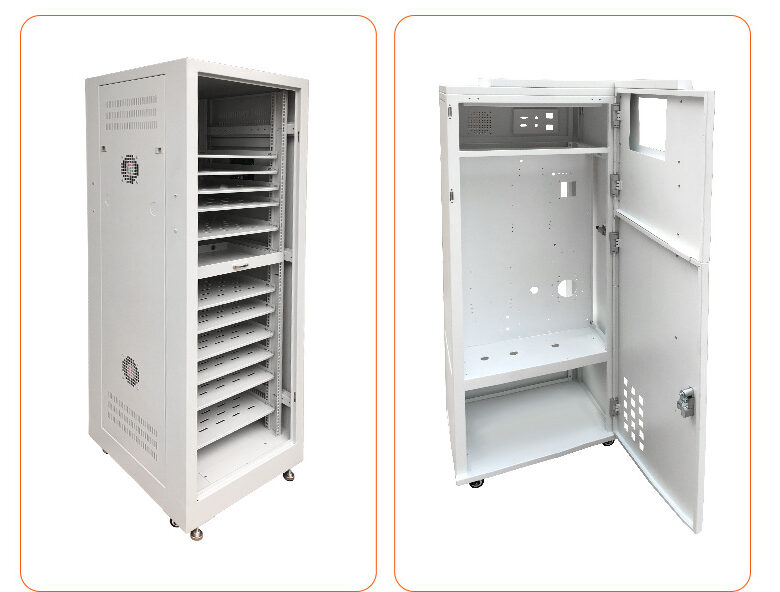
Critical Difference: Dust Protection Level (IP5X vs IP6X)
2>IP55 Dust Standard
Tiny dust particles may slowly penetrate cabinet gaps, as long as dust buildup does not block wiring or cause short circuits during operation.
- Test condition: 2-hour circulating dust chamber without negative pressure extraction
- Cabinet limit: Simple single-piece door gaskets, minor assembly gaps are acceptable
- Hidden risk: Long-term dust accumulation mixes with coastal salt mist, forming conductive residue on battery terminals, triggering DC leakage faults in tropical regions
100% dust-tight; no fine sand, salt dust or industrial powder can enter the cabinet interior.
- Test condition: 8-hour negative-pressure dust suction test, zero visible dust inside
- Cabinet requirement: Full continuous laser welding, double hollow EPDM sealing grooves, multi-point locking doors to eliminate all assembly gaps
- Advantage for energy storage: Desert Central Asia & coastal South America sites avoid dust-induced overheating and insulation failure
Sheet Metal Cabinet Structural Differences Between IP55 & IP65
We integrate CNC & sheet metal manufacturing craftsmanship (our core advantage) to show structural gaps unseen in generic IP articles:
| Evaluation Item | IP55 Sheet Metal Cabinet | IP65 Sheet Metal Cabinet |
|---|---|---|
| Door Sealing | Single flat EPDM gasket, 1–2 point lock | Double continuous foam gasket, 3–4 point uniform compression lock |
| Cabinet Welding | Spot welding allowed, minor gap filling | Full seamless laser welding + post grinding to eliminate micro slits |
| Ventilation Design | Laser-cut rainproof louvers with filter mesh (standard configuration) | No open louvers; only sealed pressure balance breathable valves allowed |
| Cable Entry | Ordinary rubber cable glands | IP65-rated integrated waterproof cable glands |
| Raw Material Matching | Cold rolled steel + regular powder coating | 304/316 stainless steel optional, 80μm+ thick anti-corrosion powder coating |
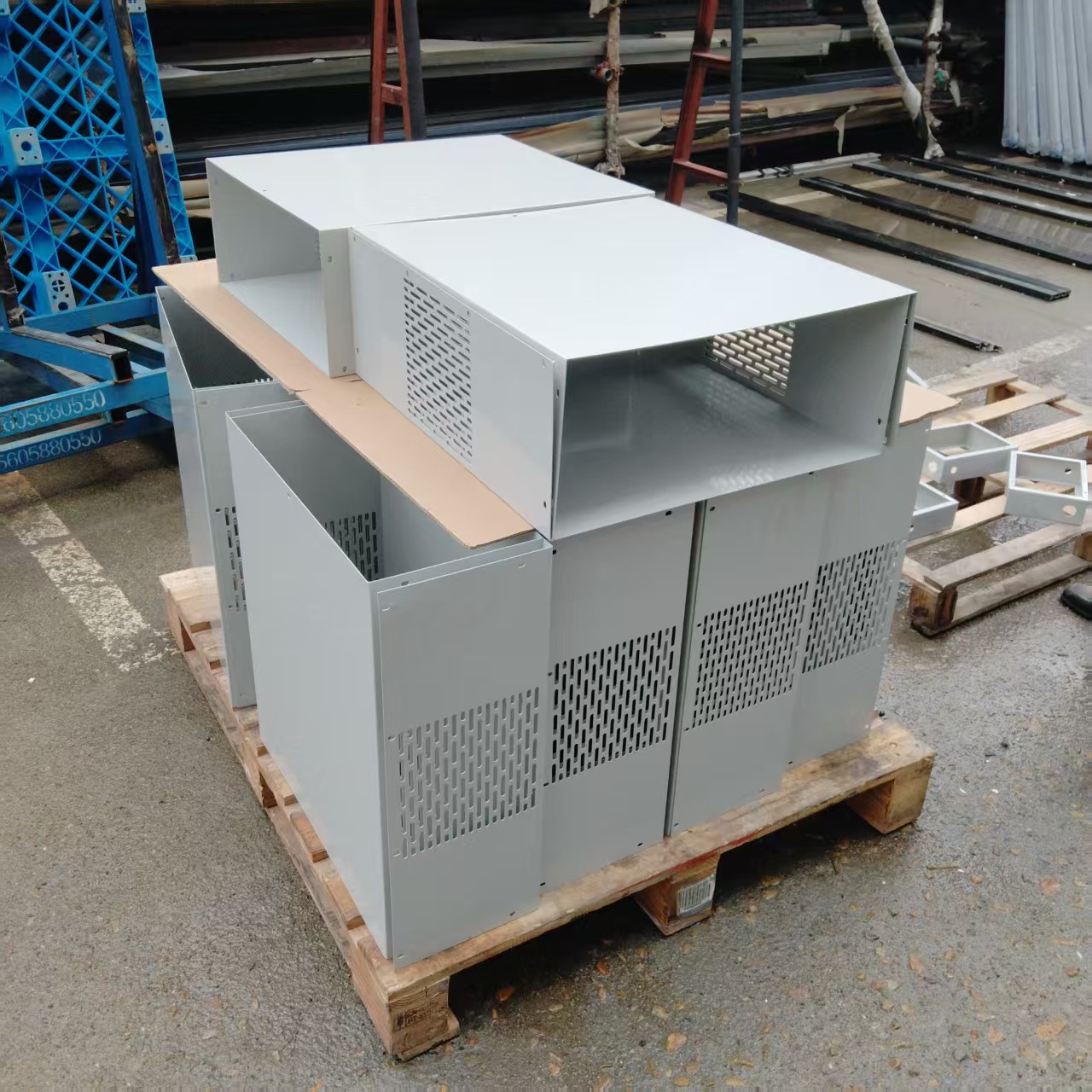
Heat Dissipation & Condensation Trade-Off (Core Energy Storage Pain Point)
This exclusive energy storage analysis is the biggest differentiation vs generic Eabel-style IP blogs.
IP55 Heat & Dew Performance
- Strength: Permits natural convection via laser-cut ventilation louvers; battery heat dissipates freely, low risk of overheating
- Condensation risk: Low. Air exchange balances internal & external temperature difference
- Suitable scenario: Medium-power solar inverters, sheltered commercial energy storage cabinets with continuous heat output
- Limitation: Cannot deploy in year-round salt-spray coastal areas—filter mesh clogs with salt dust within 12 months
IP65 Heat & Dew Performance
- Strength: Zero dust/salt mist penetration, perfect for fully open-air harsh environments
- Critical Flaw: Fully sealed air space traps battery heat; day-night temperature swings create massive internal condensation if no dehumidification design
- Mandatory IP65 Matching Solutions For Energy Cabinets:
1.Waterproof breathable pressure balance valves installed on cabinet top panels
2.Low-power PTC automatic heating dehumidifier for high-humidity tropical projects
3.Internal thermal insulation sheet metal lining to reduce temperature difference
4.Separate external heat exchanger for high-capacity BESS containers
Key Engineering Tip
Many overseas buyers blindly select IP65 for all energy storage projects, ignoring condensation risks. Unmodified fully sealed IP65 cabinets will see internal water droplets form within 6 months in Southeast tropical zones, corroding battery busbars.
Best Application Scenarios By Industry & Regional Environment
Scenario 1: IP55 Recommended
- Sheltered rooftop solar inverters (covered by building eaves, no direct salt wind)
- IIndoor containerized energy storage sub-cabinets
- Low-power robotic control boxes in mild temperate factory yards
- Temporary mobile charging piles in non-coastal inland cities
Scenario 2: IP65 Mandatory
- Open-air BESS battery energy storage containers (Africa, South America, Southeast Asia)
- Coastal solar power station cabinets with year-round salt fog
- Central Asia desert photovoltaic enclosures with heavy sandstorms
- Outdoor DC fast charging stations exposed to all weather
- Tropical rainforest energy equipment with daily heavy downpours
IP55 / IP65 Cost & Maintenance Comparison
Manufacturing Cost
- P55: Lower sheet metal processing cost, simple single sealing structure, no extra dehumidification accessories
- IP65: Higher labor cost for full welding & double gaskets; extra breathable valve/heating module expense
Long-Term Maintenance
- IP55: Require quarterly filter mesh cleaning to prevent dust blockage; gaskets replaced every 2–3 years in coastal regions
- IP65: No regular filter cleaning; only inspect valve & gaskets every 4–5 years, far lower field maintenance labor for remote overseas energy sites
Common Mistakes When Choosing IP55 or IP65 Storage Cabinets
1.ick IP65 for all energy cabinets without thermal dehumidification design → severe internal condensation damage
2.Select IP55 for coastal salt-spray projects, ignoring long-term salt dust blockage of ventilation filters
3.Confuse lab IP test results with real tropical/desert field 4.Only focus IP rating while neglecting sheet metal welding, edge anti-corrosion and surface finishing quality
5.Assume IP55 ventilation eliminates all heat issues; high-density battery packs still need auxiliary cooling fans