IP55 vs IP65 for BESS Energy Storage Cabinets: Condensation Risk, Structure & Regional Selection Guide

Key Takeaways
- - Generic IP tutorials are not applicable to BESS cabinets: IP65 is not always better, as fully sealed structures cause fatal condensation and heat accumulation risks for lithium batteries.
- - The essential difference between qualified BESS IP55 and IP65 cabinets lies in laser welding and sealing technology, not nominal IP labels on the surface.
- - IP55 is the optimal choice for sheltered inland energy storage projects, balancing heat dissipation and cost with zero condensation risk.
- - IP65 is mandatory for open-air coastal, desert, and tropical BESS stations, but must be equipped with anti-condensation and heat exchange auxiliary structures.
- - Material upgrading (304/316 stainless steel) is a necessary supplement to IP ratings for long-lifecycle overseas energy storage projects.
Why Ordinary IP55/IP65 Guides Are Wrong for BESS Cabinets
90% of Google’s top-ranked IP comparison articles only introduce basic dust and water resistance parameters, ignoring the unique operating characteristics of battery energy storage equipment. These one-size-fits-all suggestions will lead to serious engineering mistakes in BESS project deployment.
Traditional IP popular science has three major misunderstandings in the energy storage industry:
- Misunderstanding 1: Higher IP grade equals better performance For heat-generating lithium battery packs, fully sealed IP65 structures trap internal heat and humid air, triggering condensation and accelerating battery decay, while ventilated IP55 structures avoid this problem.
- Misunderstanding 2: All IP65 cabinets are dust and waterproofMost low-cost IP65 cabinets adopt spot welding and single-layer gaskets, which will lose waterproof and dustproof capabilities within 2 years in harsh outdoor environments. Only laser seamless welding BESS cabinets achieve true long-term IP65 performance.
- Misunderstanding 3: IP rating alone determines cabinet durabilityFor overseas BESS projects, salt spray corrosion and sand abrasion are more destructive than water ingress. IP grade must be matched with anti-corrosion materials and surface treatments.
Real Structural Differences Between IP55 & IP65 BESS Cabinets (Factory Manufacturing Perspective)
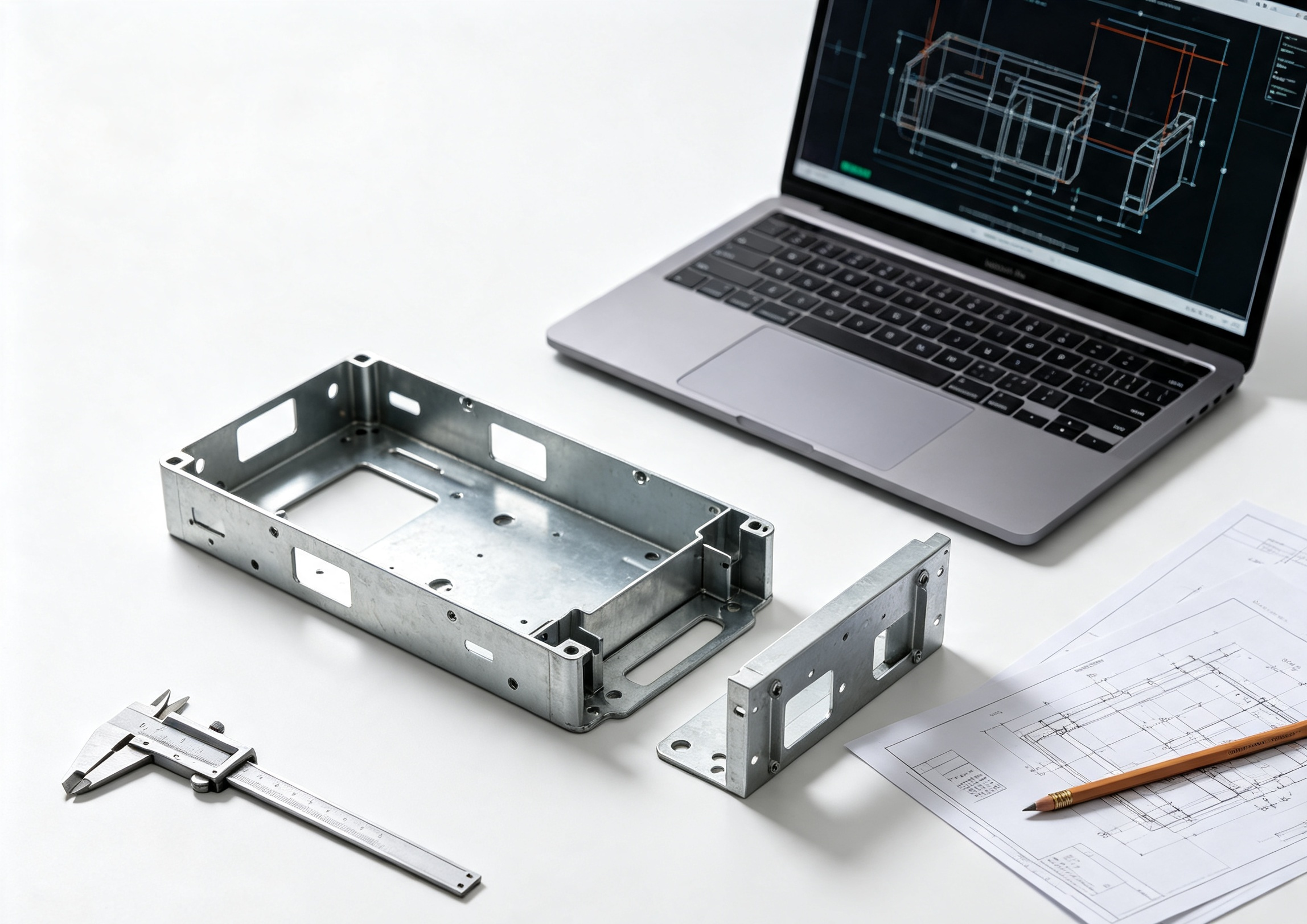
IThe nominal IP55 and IP65 standards are unified worldwide, but the manufacturing process gap determines the actual service life of energy storage cabinets in outdoor scenarios. The following are the core structural differences exclusive to BESS enclosures, which are not mentioned in generic articles.
IP55 BESS Cabinet: Ventilation & Heat Dissipation Oriented Design
IP55 energy storage cabinets are designed for heat dissipation priority, adopting open rainproof louver ventilation structures, which perfectly adapt to the continuous heat generation characteristics of lithium batteries.
- Sealing Structure: Single-layer high-elastic EPDM flat gasket, 2-point mechanical door locking, meeting basic outdoor dust and water splash protection
- Welding Process: Precision spot welding + gap filling treatment, stable structure for mild environments
- Ventilation System Laser-cut rainproof louvers + multi-layer filter mesh, realizing natural air convection to discharge battery waste heat
- Core Advantages: No heat accumulation, zero condensation risk, low manufacturing and maintenance cost
- Industry Limitations: Filter mesh is easily blocked by salt dust and fine sand, unable to adapt to coastal and desert harsh environments
IP65 BESS Cabinet: Full Sealing & Harsh Environment Resistant Design
IP65 energy storage cabinets are customized for fully exposed outdoor BESS stations, adopting a fully closed dust-tight and waterproof structure, solving the problem of external environmental erosion, but requiring targeted optimization for battery heat generation characteristics.
- Sealing Structure: Full-circle double continuous foam gaskets + 3–4 point uniform compression locking, eliminating all assembly gaps
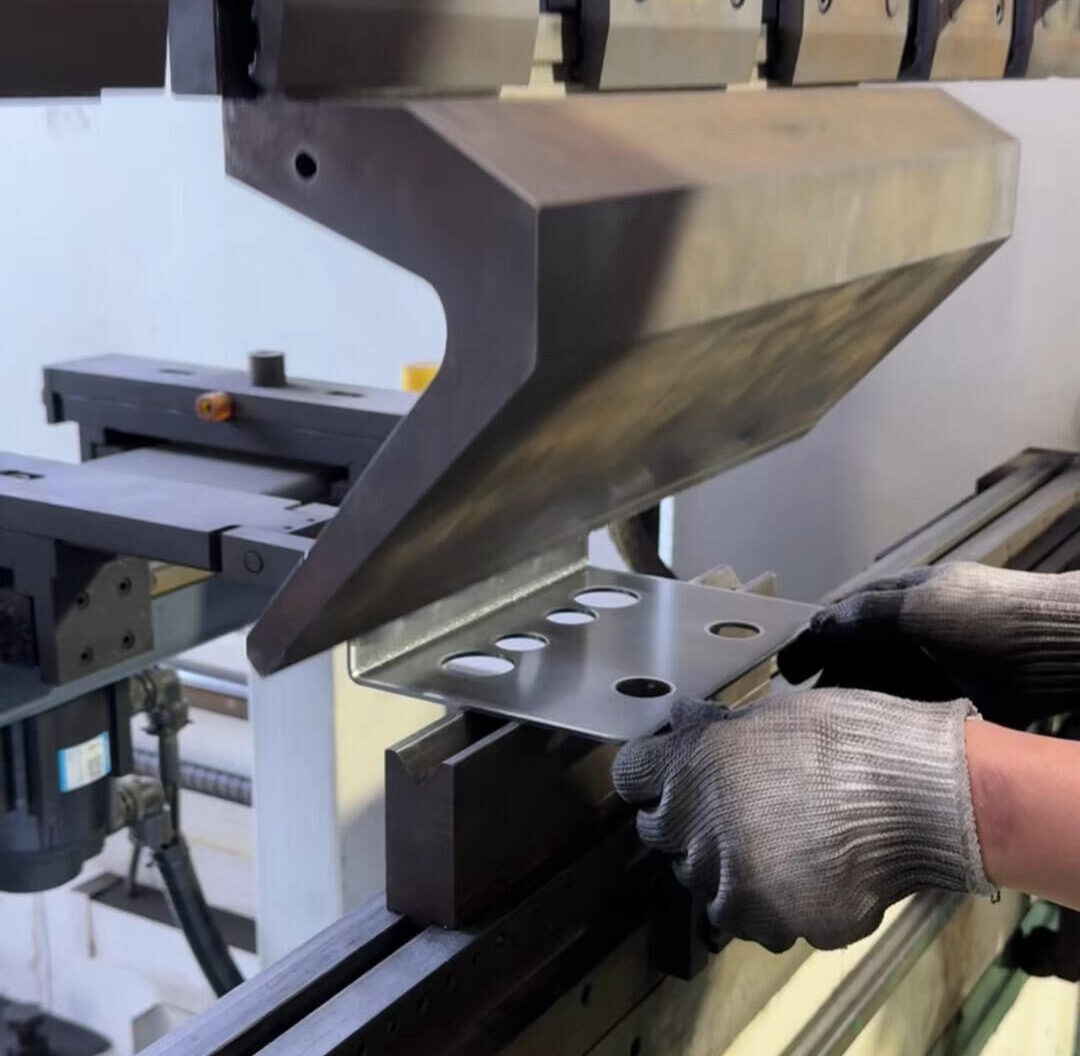
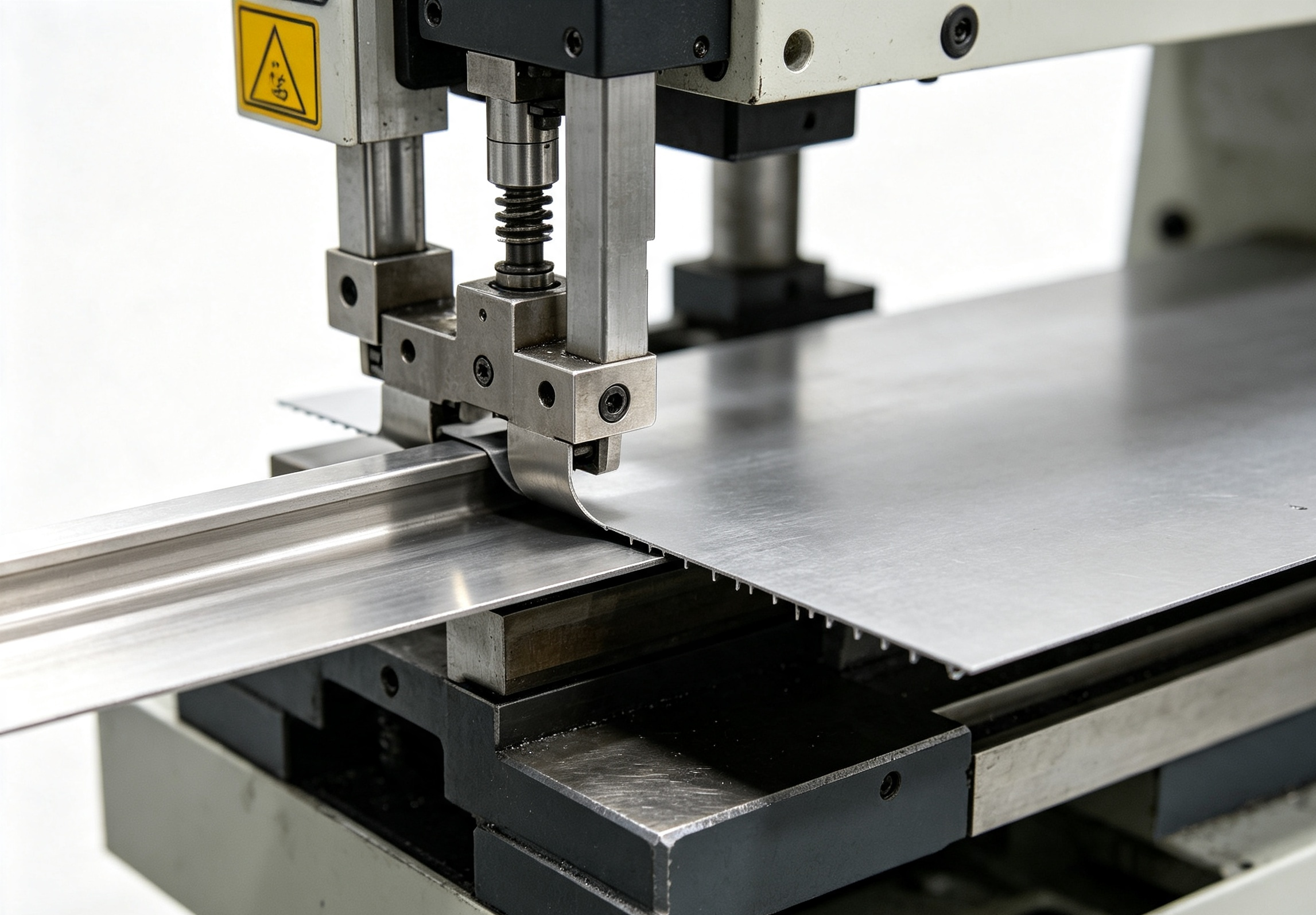
- Welding Process: Full laser seamless welding + post-grinding treatment, zero micro gaps to block dust and salt mist penetration
- Ventilation System: Cancel open louvers, equipped with dedicated IP65 waterproof breathable pressure balance valves
- Core Advantages: 100% dust-tight, anti-heavy rain, anti-salt fog, anti-sandstorm, suitable for all outdoor extreme environments
- Industry Pain Point: Fully closed space leads to heat accumulation and internal and external temperature difference, causing condensation without auxiliary dehumidification devices
Killer Problem of IP65 BESS Cabinets: Condensation Risk & Professional Solutions
Statistics from overseas energy storage project after-sales data show that 80% of IP65 BESS cabinet failures are caused by internal condensation, not water ingress.This is the biggest hidden danger that generic IP articles ignore and the core optimization point of our factory’s customized energy storage cabinets.
Why Condensation Is Fatal for BESS Cabinets
Lithium battery charging and discharging will continuously generate heat, forming hot and humid air inside the sealed IP65 cabinet. At night or in seasonal alternating temperatures, the internal temperature drops rapidly, and humid air condenses into water droplets, causing:
- Oxidation and corrosion of copper busbars and wiring terminals
- Short-circuit risk of BMS and PCS precision circuits
- Accelerated aging and capacity attenuation of lithium battery packs
- Frequent system alarms and forced shutdown of energy storage stations
Exclusive Anti-Condensation Design for Custom BESS Cabinets
A qualified outdoor IP65 energy storage cabinet cannot simply pursue full sealing. Our factory adopts a set of balanced sealing and dehumidification system exclusive for BESS scenarios to completely solve the condensation problem:
- Top-mounted Pressure Balance Breathable Valves: Automatically balance internal and external air pressure, discharge moist hot air, and isolate external rain and dust
- PTC Constant Temperature Dehumidifier Module: Intelligent automatic dehumidification for high-temperature and high-humidity tropical and subtropical projects
- Internal Thermal Insulation Lining: Reduce internal and external temperature difference, fundamentally inhibit dew formation
- External Independent Heat Exchanger: Equipped for large-capacity 5MWh+ container energy storage systems to solve heat accumulation and dehumidification at the same time
IP55 vs IP65 Selection Standard for Global BESS Projects (By Region & Environment)
Scenarios & Regions Suitable for IP55 BESS Cabinets
IP55 is the most cost-effective choice for mild environments, avoiding redundant sealing and condensation risks:
- Inland temperate regions of Europe and North America with low dust and low humidity
- Shelved rooftop and indoor distributed energy storage projects
- Small-capacity household and commercial energy storage systems under building eaves
- Inland plain photovoltaic energy storage stations without salt fog and sandstorm erosion
Scenarios & Regions Mandatory for IP65 BESS Cabinets
Harsh overseas environments have zero tolerance for ventilated IP55 structures, and IP65 with anti-condensation design is the only standard:
- Southeast Asia & Tropical Regions: High temperature and high humidity all year round, heavy rainfall, requiring IP65 + full dehumidification system
- Coastal Areas Worldwide: Serious salt fog erosion, requiring IP65 + 304/316 stainless steel anti-corrosion treatment
- Central Asian & African Desert Regions: Frequent sandstorms, IP55 filter meshes are easy to block, fully sealed IP65 is mandatory
- Large Open-Air Grid Energy Storage Stations: Fully exposed to wind, sun and rain, long service life requirements (10–15 years)
Cabinet Material & Anti-Corrosion Matching for Long-Lifecycle BESS Projects
IP rating determines the short-term environmental resistance of BESS cabinets, while materials and surface anti-corrosion treatments determine the long-term service life of overseas projects. We have formed a complete matching scheme for different regional environments:
- Mild Inland Projects: Cold-rolled steel plate + 80μm thick polyester powder coating, standard IP65 configuration, cost-effective and durable
- General Coastal Projects: Galvanized steel substrate + enhanced salt-spray resistant coating, meeting 500-hour salt spray test standards
- Island & Severe Salt Fog Projects: 304/316 stainless steel cabinet body + passivation anti-corrosion treatment, resisting long-term salt mist erosion
- High-Dust Desert Projects: Matte wear-resistant surface treatment + fully sealed IP65 structure, preventing sand particle abrasion and penetration
Most Common BESS Cabinet IP Specification Mistakes by Integrators
Combined with factory after-sales and customization experience, we summarize the most costly specification mistakes in energy storage project procurement:
- Blindly pursuing IP65:Choosing fully sealed IP65 cabinets for inland ventilated energy storage projects without heat exchange design, resulting in unnecessary cost increase and hidden condensation troubles.
- Trusting nominal IP labels: Purchasing low-cost spot-welded IP65 cabinets, which lose sealing performance in 1–2 years and cause equipment damage.
- Ignoring anti-corrosion matching:Using ordinary carbon steel cabinets for coastal energy storage projects, leading to rapid rusting and scrapping of cabinet bodies.
- Missing auxiliary functional structures:Equipping IP65 cabinets without pressure balance valves and dehumidifiers, resulting in long-term internal dampness and battery aging.
Final Recommendation