
Thin sheet metal parts (0.5mm-6mm) are widely used in BESS battery cabinets, inverter enclosures and industrial control shell components. Most OEM manufacturers and sheet metal fabricators run into a common problem: uncontrollable workpiece deformation during secondary CNC milling.
Even if you control forming tolerance perfectly with standard CNC press brake production, improper clamping and milling parameters will make thin sheet parts exceed ±0.3mm tolerance, leading to batch scrap and failed equipment assembly. This defect is one of the most controversial sheet metal issues discussed on Reddit r among design engineers and CNC machinists.
Most importantly, long cabinet panels that finish CNC bending processing are the most likely to deform during secondary milling. After solving CNC press brake springback solution for long cabinet panels in bending stage, eliminating milling deformation becomes the second key step for qualified finished cabinet enclosures.
Why Thin Sheet Metal Deforms During Secondary CNC Milling
Different from solid block machining, thin sheet metal features poor structural rigidity and large residual forming stress. We conclude four core causes for this common defect based on new energy cabinet mass production data:
- Residual bending internal stress retained after CNC press brake forming
- Uneven surface clamping pressure from ordinary flat machine fixtures
- Excessive single-side cutting feed and unreasonable tool path programming
- Improper material selection for galvanized and aluminum thin cabinet panels
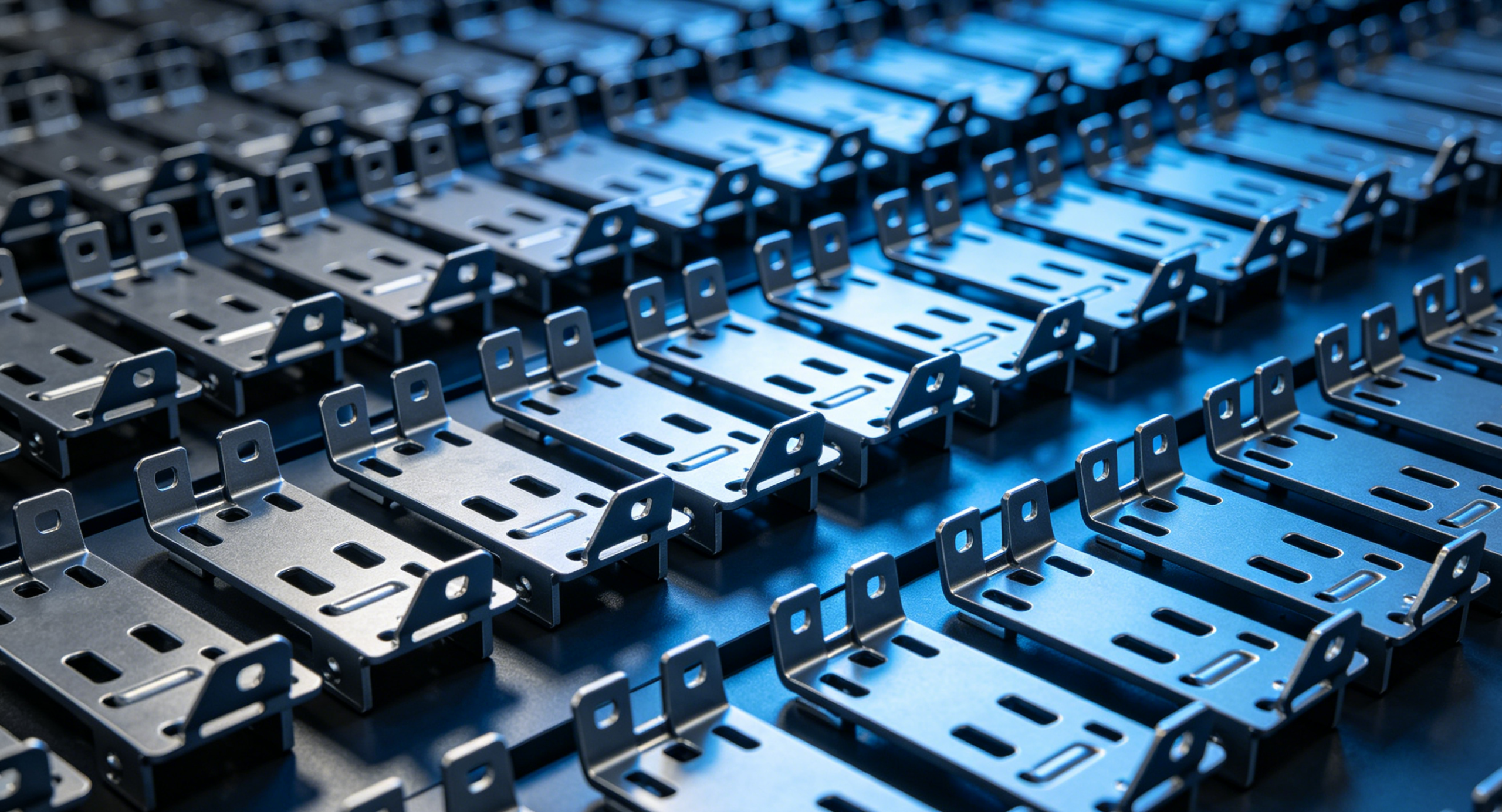
5 Practical Solutions to Prevent CNC Milling Thin Sheet Deformation
We adopt all field-verified methods that conform toManufacturing Today industry processing, fully compatible with pre-bent long cabinet shell parts:
1. Custom Vacuum Support Fixtures (Most Effective)
Abandon traditional side clamping fixtures for thin plates. Use full-surface vacuum adsorption jigs to evenly disperse clamping pressure. This method will not squeeze deformed edges on long bent cabinet panels, and keeps the original bending angle stable.
2. Stress Relief Before Secondary Machining
Place bent sheet metal workpieces statically for 12-24 hours to release bending residual stress before CNC milling. This simple operation greatly reduces post-milling warping, especially for SS304 and 5052 aluminum enclosure panels.
3. Optimize CNC Milling Tool Path Parameters
Adopt small cutting depth and multi-pass light feed milling:
- Reduce single cutting depth below 0.2mm for sheet under 3mm
- Use climb milling instead of conventional milling to reduce workpiece pulling force
- Avoid one-time full grooving on cabinet mounting boss areas
4. Add Local Reinforcement Structure (DFM Design Optimization)
For key milling positions on thin cabinet shells, add small reinforcement ribs at the design stage. Enhanced local rigidity can almost eliminate milling deformation without increasing too much raw material cost.
5. Separate Milling Process for Large Cabinet Assemblies
For ultra-long BESS cabinet components that are prone to bending springback, split large workpieces into small modular units for independent CNC secondary milling, then complete overall assembly.
Should You Use Secondary CNC Milling on Cabinet Sheet Metal?
From the perspective of production cost and yield: secondary CNC milling is not necessary for most ordinary mounting holes.
We recommend replacing milled threaded holes with press-fit studs and clinch nuts for non-critical installation positions. Only retain precision CNC milling for load-bearing mating surfaces. This optimization can cut 70% secondary processing cost and completely avoid thin plate deformation risks.